
Balancing Efficacy and Skin Safety in Wholesale Disinfectant Wipes for Hospitals and Hotels
- Jan 31
- 3 min read
Maintaining hygiene in hospitals and hotels is a critical task that demands effective disinfectant solutions without compromising skin safety. Wholesale disinfectant wipes have become a staple in these industries, offering convenience and reliable sanitation. Yet, choosing the right type of wipe involves understanding the balance between antimicrobial effectiveness and user comfort, especially for frequent use by staff and guests. This article explores the technical aspects of antibacterial disinfectant wipes, focusing on the differences between alcohol-based and alcohol-free formulas, the role of fabric GSM in industrial cleaning, and the benefits of OEM customization for branding hygiene kits.

Comparing Alcohol-Based and Alcohol-Free (Quats-Free) Formulas
Disinfectant wipes generally fall into two categories based on their active ingredients: alcohol-based and alcohol-free (often quaternary ammonium compounds or Quats-free). Each type offers distinct advantages and challenges.
Alcohol-Based Wipes
Alcohol-based wipes typically contain ethanol or isopropanol at concentrations between 60% and 80%. These wipes are highly effective against a broad spectrum of bacteria, viruses, and fungi. Their rapid evaporation rate helps surfaces dry quickly, reducing downtime in busy environments like hospitals and hotels.
Advantages:
Fast-acting antimicrobial properties
Broad-spectrum efficacy, including against many viruses
Leaves minimal residue on surfaces
Challenges:
Can cause skin dryness and irritation with frequent use
Flammable, requiring careful storage and handling
May degrade some surface materials over time
Alcohol-Free (Quats-Free) Wipes
Alcohol-free wipes often use quaternary ammonium compounds as their active ingredient. These compounds disrupt microbial cell membranes, providing effective disinfection without the drying effects of alcohol.
Advantages:
Gentler on skin, reducing irritation risk for frequent users
Non-flammable and safer to store
Suitable for sensitive surfaces that alcohol might damage
Challenges:
Longer contact time needed for full efficacy
Some microbes may develop resistance over time
Residue may remain on surfaces, requiring wiping or drying
For hospitals and hotels, the choice depends on balancing rapid disinfection needs with skin safety for staff and guests. Alcohol-based wipes suit quick, high-turnover cleaning, while alcohol-free wipes support frequent use with less skin impact.
The Importance of Fabric GSM in Industrial Cleaning
Fabric GSM (grams per square meter) measures the thickness and density of the wipe material. This factor significantly influences cleaning performance, durability, and user experience.
Why GSM Matters
Absorption Capacity: Higher GSM wipes hold more disinfectant solution, allowing better coverage and longer cleaning sessions without drying out.
Durability: Thicker wipes resist tearing and linting, essential for industrial environments where surfaces may be rough or require vigorous scrubbing.
Surface Compatibility: Lower GSM wipes are softer and better for delicate surfaces, while higher GSM wipes handle heavy-duty cleaning tasks.
Typical GSM Ranges for Disinfectant Wipes
Low GSM (40-60): Thin, disposable wipes for light cleaning and quick disinfection.
Medium GSM (60-80): Balanced strength and softness, suitable for general hospital and hotel use.
High GSM (80+): Heavy-duty wipes for industrial or surgical environments requiring robust cleaning.
Selecting the right GSM ensures wipes perform effectively without wasting disinfectant or causing surface damage. For example, hospital operating rooms often require high GSM wipes to maintain sterility, while hotel housekeeping may prefer medium GSM for routine surface cleaning.
OEM Customization for Branding Hygiene Kits
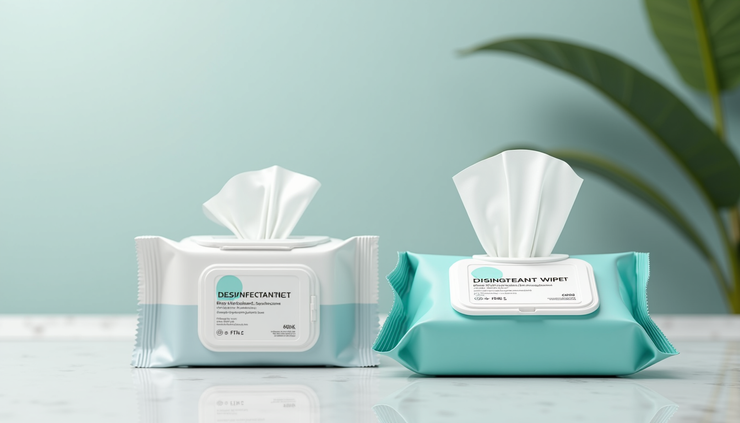
Hospitals and hotels increasingly seek to differentiate their hygiene offerings through customized disinfectant wipes. OEM (Original Equipment Manufacturer) customization allows these institutions to tailor wipes to their specific needs and brand identity.
Benefits of OEM Customization
Brand Recognition: Custom packaging and labeling reinforce trust and professionalism among patients and guests.
Tailored Formulations: Clients can request specific active ingredients, scents, or fabric types to match their hygiene protocols.
Kit Integration: Wipes can be included in branded hygiene kits alongside masks, gloves, and sanitizers, creating a cohesive user experience.
Bulk Ordering: Wholesale disinfectant wipes with OEM branding support large-scale distribution while maintaining quality control.
For example, a hotel chain might order custom hospital wipes with a hypoallergenic formula and their logo on the packaging to assure guests of their commitment to cleanliness. Similarly, a medical supplier could provide hospitals with wipes designed for sensitive skin and specific disinfectant standards.
Practical Tips for Medical Suppliers and Hotel Chains
Evaluate the cleaning environment to choose between alcohol-based and alcohol-free wipes.
Consider staff and guest skin sensitivity when selecting formulations.
Match wipe GSM to cleaning intensity and surface types.
Use OEM customization to build brand trust and meet specific hygiene standards.
Order wholesale disinfectant wipes to ensure consistent supply and cost efficiency.
By focusing on these factors, suppliers and distributors can provide products that meet both efficacy and safety requirements, enhancing hygiene outcomes and user satisfaction.


