
Antibacterial and Disinfectant Wipes for Airlines and Hotels: Meeting Industry Standards and Custom Branding Solutions
- Jan 20
- 4 min read
Maintaining cleanliness in high-traffic environments such as airlines and hotels is a constant challenge. These spaces require products that not only kill germs effectively but also meet strict safety and usability standards. Antibacterial and disinfectant wipes have become essential tools in this effort. This article explores the technical requirements for wipes used in these demanding settings, compares alcohol-free and alcohol-based formulas, and highlights how custom packaging with OEM services supports brand identity for airlines and hotels.

Technical Requirements for High-Traffic Environments
Airlines and hotels face unique challenges when it comes to hygiene. Surfaces are touched by hundreds or thousands of people daily, increasing the risk of cross-contamination and the spread of pathogens. Wipes used in these environments must meet several key criteria:
Effective Germ Kill Rate
Wipes must eliminate a broad spectrum of bacteria and viruses quickly. Regulatory standards often require a 99.9% kill rate against common pathogens such as Staphylococcus aureus, E. coli, and influenza viruses. This ensures that surfaces like tray tables, armrests, door handles, and countertops remain safe for the next user.
Fast Drying and Non-Sticky Residue
Surfaces cleaned in busy areas cannot remain wet or sticky for long. Wipes should dry rapidly to avoid inconvenience and prevent microbial growth in damp conditions.
Material Durability
The wipe fabric must be strong enough to withstand rigorous cleaning without tearing or leaving fibers behind. This is especially important for airline cabins where surfaces are often textured or uneven.
Safe for Multiple Surfaces
Wipes should be compatible with various materials such as plastics, metals, glass, and laminated surfaces without causing damage or discoloration.
Compliance with Health and Safety Regulations
Products must comply with local and international health standards, including EPA registration in the United States or equivalent certifications elsewhere.
User-Friendly Packaging
Packaging should allow easy access to wipes while maintaining moisture and hygiene. Single-use packets or resealable packs are common to prevent contamination.
Alcohol-Free vs. Alcohol-Based Formulas
Choosing between alcohol-free and alcohol-based wipes depends on the specific needs of the environment and user preferences. Both types have advantages and limitations.
Alcohol-Based Wipes
Advantages
Alcohol (usually ethanol or isopropanol) is a powerful disinfectant that kills a wide range of bacteria and viruses quickly. It evaporates fast, leaving surfaces dry and residue-free. These wipes are often preferred in medical and airline settings for their proven effectiveness.
Limitations
Alcohol can be harsh on sensitive surfaces, potentially causing discoloration or damage over time. It also has a strong odor that some users find unpleasant. Additionally, alcohol-based wipes can be flammable, requiring careful storage and handling.
Alcohol-Free Wipes
Advantages
These wipes use alternative disinfectants such as quaternary ammonium compounds or hydrogen peroxide. They tend to be gentler on surfaces and less irritating to skin. Alcohol-free wipes often have a milder scent and are safer to store.
Limitations
They may require longer contact time to achieve the same level of disinfection as alcohol-based wipes. Some formulas may leave a slight residue or require wiping with a dry cloth afterward.
Selecting the Right Formula
Airlines and hotels must balance efficacy, surface compatibility, user comfort, and safety regulations when choosing wipes. For example, alcohol-based wipes are ideal for quick disinfection of hard surfaces in aircraft cabins, while alcohol-free wipes may be better suited for delicate hotel furnishings or guest amenities.
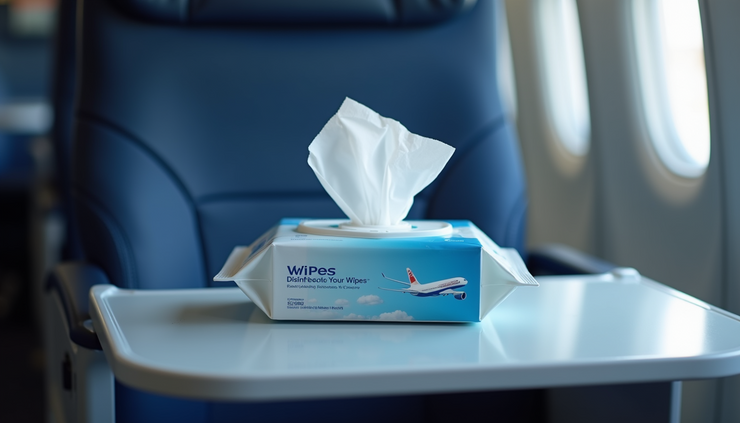
Custom Branding with OEM Services
Beyond functionality, wipes offer a unique opportunity for airlines and hotels to reinforce their brand identity. OEM (Original Equipment Manufacturer) services allow these businesses to customize individual wipe packaging with logos, colors, and messaging. This customization delivers several benefits:
Enhanced Guest Experience
Guests appreciate branded wipes as a sign of attention to detail and care for their health. It adds a layer of trust and professionalism to the service.
Marketing and Brand Visibility
Customized packaging turns a simple hygiene product into a marketing tool. It keeps the brand visible during and after use, especially in shared spaces.
Differentiation from Competitors
Unique packaging helps airlines and hotels stand out in a crowded market. It signals commitment to hygiene and guest safety, which is increasingly important.
Flexible Packaging Options
OEM services can provide various formats such as single-use sachets, small resealable packs, or bulk containers, tailored to different touchpoints like check-in counters, lounges, or in-room amenities.
Compliance and Quality Assurance
Working with experienced OEM providers ensures that the wipes meet all regulatory requirements and quality standards, reducing risk and liability.
Practical Examples of Use
Airlines
Many international airlines provide antibacterial wipes in economy and business class kits. These wipes are often alcohol-based for rapid disinfection of tray tables, seat belts, and armrests. Custom packaging with the airline’s logo reinforces brand presence and reassures passengers about hygiene.
Hotels
Upscale hotels include alcohol-free disinfectant wipes in guest rooms and common areas. These wipes are gentle on furniture and surfaces while providing effective cleaning. Custom-branded packaging enhances the guest experience and supports the hotel’s image of cleanliness and care.
Final Thoughts on Choosing the Right Wipes
Selecting antibacterial and disinfectant wipes for airlines and hotels requires careful consideration of technical performance, safety, and branding opportunities. Both alcohol-based and alcohol-free formulas have roles depending on the environment and surface types. OEM services add value by allowing businesses to customize packaging, creating a consistent and reassuring message about hygiene.


